Relocation
Relocating to the Triangle in 2026: The real talk guide before you make the move.
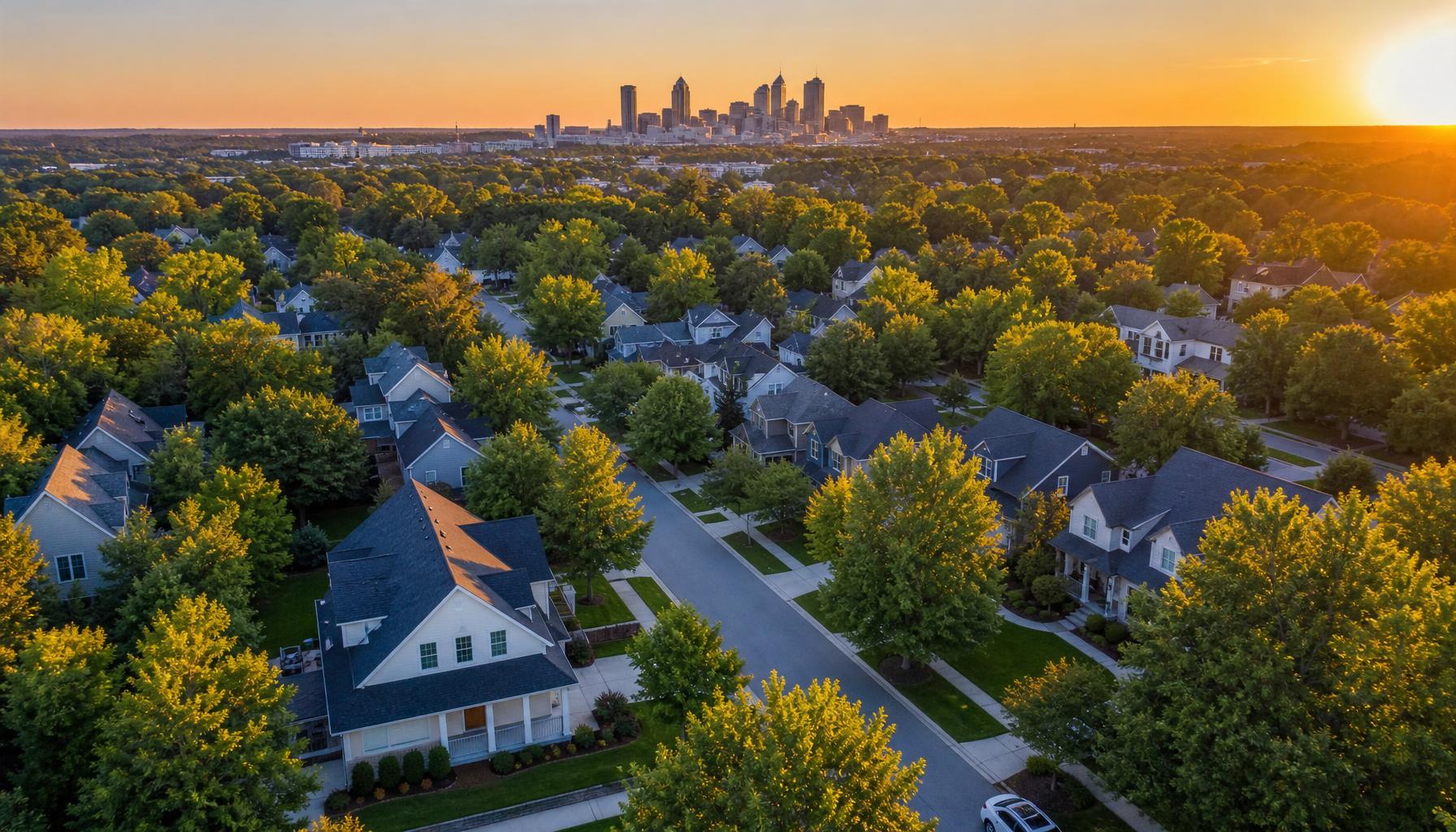
Let's be real. You've probably already Googled "relocating to Raleigh NC" about 47 times. You've watched the YouTube videos, scrolled the Reddit threads, and maybe even reached out to a few locals in Facebook groups. You've gotten a lot of opinions, some helpful and some not.
What you actually need is practical, specific, honest information from someone who lives and works in this market every day. That's what this is.
Why so many people are choosing Raleigh right now.
The data makes the story simple. According to Redfin, approximately 48 people per day are relocating to Raleigh, North Carolina. That's nearly 1,500 people every month choosing to call this city home. North Carolina as a whole saw over 339,000 new residents in 2023 alone, and the growth has not slowed down.
The reasons aren't surprising once you know the market:
Research Triangle Park, located just 15 minutes from downtown Raleigh, is the largest research park in the country — over 7,000 acres and more than 375 companies including IBM, Cisco, SAS, Red Hat, and major life science firms. This isn't just tech hype. This is a job market with real depth and real stability.
Wake County Public Schools consistently rank among the best in North Carolina and include nationally recognized magnet programs and STEM academies. For families, this matters enormously.
The cost of living is still competitive compared to where most people are coming from. If you're relocating from a major coastal city, your jaw may drop at what your money buys you here.
The Triangle is not just Raleigh: understanding where to live.
This is one of the first things that trips people up. "Raleigh" in conversation often refers to the broader Triangle area, which includes Raleigh, Durham, Chapel Hill, and the surrounding suburbs. Each area has its own personality.
Raleigh and its suburbs.
Raleigh proper is where you'll find a lot of the energy — the food scene, arts, sports (Go Pack), and corporate headquarters. The surrounding suburbs of Cary, Apex, Morrisville, Holly Springs, Wake Forest, Fuquay-Varina, and Wendell all offer their own appeal. These suburbs have excellent schools, lower crime rates, and access to Raleigh without the price premium of living in the city itself.
Durham and Chapel Hill.
Durham has transformed dramatically over the past decade and now rivals Raleigh in its restaurant scene, arts community, and walkable neighborhoods. It's home to Duke University and Duke Health, two massive employers and cultural anchors. Chapel Hill is a classic college town with excellent schools and a tight-knit community feel.
If you're relocating for work and your company is based at RTP, you'll want to look at Morrisville, Cary, Durham, and Research Triangle Park corridors first since those areas minimize your commute.
The budget conversation nobody has with you.
The median home price in Raleigh is around $420,000 to $425,000 as of June 2026. With a 20% down payment and current mortgage rates around 6.5%, your monthly principal and interest payment would be approximately $2,150 to $2,200. That's before taxes, insurance, and HOA.
For most people relocating from markets like Northern Virginia, New York, California, or Chicago, this number is a significant improvement. For people coming from smaller cities or rural areas, it may require some adjustment.
Here's what's important: if you're going to buy here, start the pre-approval process before you arrive. Relocating buyers sometimes lose out on homes because they arrive without financing ready, and in this market, a seller won't wait three weeks while you find a lender.
Renting first is a legitimate strategy.
There is no shame in renting for 6 to 12 months when you first arrive. Raleigh is a big metro with a lot of different micro-markets. Living here before you buy gives you a real feel for neighborhoods, commute times, and what you actually want in your everyday life. If you go this route, start building your relationship with a local agent (again, hi, that's me) so you're ready to move when the time comes.
Common relocation mistakes people make.
Buying in the first neighborhood they tour. You've been in town for a weekend and you're under contract. Slow down. The Triangle has dozens of great communities. Spend time exploring before you commit.
Underestimating the summer heat. Raleigh summers are humid and hot. Factor this into your lifestyle plans, your utility budget, and whether a pool or neighborhood pool access matters to you.
Not accounting for the NC state income tax. North Carolina has a flat state income tax rate of 4.5% (as of 2026). This doesn't make NC a bad deal — it's still better than many states — but budget accordingly.
Skipping the HOA review. Many communities here have HOAs. Before you fall in love with a home, review the HOA documents, fees, and restrictions. Some are excellent, some are not.
Your relocation starts with one conversation.
Whether you're moving to Raleigh in 30 days or 6 months, the earlier you connect with a local agent who specializes in relocation, the smoother your move will be.
All Inclusive Realty has walked countless families through the Triangle relocation process from start to finish. We know the neighborhoods, the schools, the commutes, and the communities. We work with you remotely and in person to make your move as seamless as possible.
Ready to start planning your move to the Triangle?
You do not have to figure this out alone or from a thousand miles away. Call or text Keema at 919-438-1741 or visit allinclusiverealty.org to set up a relocation consultation. We will help you map out your timeline, your target neighborhoods, and your home search strategy so that when moving day comes, you are not arriving in a place you barely know.
#RelocatingToTriangle #MovingToRaleigh #RaleighRelocation #TriangleNC #NCRealEstate #RaleighRealEstate #ResearchTrianglePark #KeemaThompson #AllInclusiveRealty #MovingToNC2026