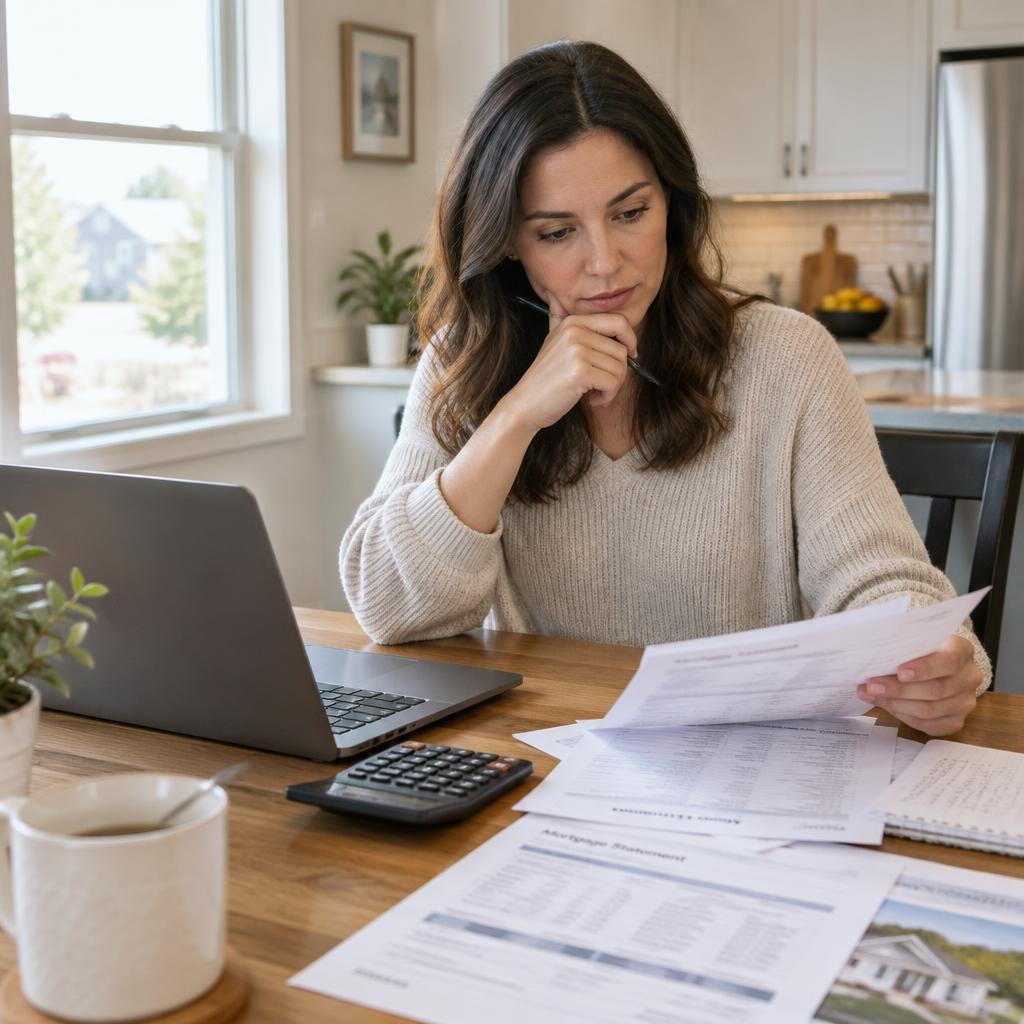
The 30-year fixed rate climbed to 6.95 percent as of September 17, the fourth straight week of increases and the highest level since January 2025. On a $400,000 loan, that's the difference of a couple hundred dollars a month compared to where rates sat back in the spring. Real money, but not a reason to give up on buying. Let's actually run the numbers instead of just reacting to the headline.
I've had buyers this week tell me they're just going to wait it out until rates drop. I get the instinct. But waiting has a cost too, and it's one people rarely calculate.
So what does that actually mean for your monthly payment?
On a $400,000 loan at 6.95 percent, you're looking at roughly $2,650 a month in principal and interest before taxes and insurance. A year ago, when rates were closer to 6.26 percent, that same loan would have run you about $2,470. That's around $180 more a month, or a little over $2,100 a year. It's real, and it deserves a real conversation with your lender, not a shrug.
Here's the part that gets lost in all the rate headlines. Home prices in Raleigh are actually down about 6 percent from a year ago, sitting near $422,000. So while your rate went up, the price you're financing likely went down. Those two things partially offset each other. Nobody talks about that part because "rates are lower" and "prices are lower" don't make for the same kind of scary headline.
Should you wait for rates to drop?
Here's the honest answer. Fed Chair Kevin Warsh has been direct that inflation is still sticky, and some analysts are already pricing in another possible hike before the year ends. There is no guarantee rates come down anytime soon, and if you wait and they don't, you've lost months of equity building and possibly the exact house you wanted, while paying rent that builds nobody's wealth but your landlord's.
The buyers I see do well in this environment are the ones who buy the right house at today's price and plan to refinance later if rates ease. You can always refinance a rate. You cannot go back in time and buy a house that sold to someone else while you were waiting.
What can you actually do about the rate itself?
A few real options worth asking your lender about. A temporary rate buydown, where you or the seller pay upfront to lower your rate for the first year or two, can soften the blow while you settle in. Some sellers, especially ones whose homes have been sitting, are willing to contribute toward this because it helps their home sell. An adjustable-rate mortgage might make sense if you know you won't be in the home more than five to seven years, though that's a decision to make carefully with real numbers in front of you, not just a lower teaser rate.
What questions should you ask before you get preapproved?
Ask your lender to show you your payment at more than one rate scenario, not just today's number, since rates can move between preapproval and closing. Ask whether a temporary buydown makes sense for your specific situation. Ask what your total monthly payment looks like including taxes, insurance, and any HOA dues, because that full number is what matters, not just the loan payment by itself.
Bottom line
Mortgage rates are near 7 percent right now, the highest they've been since January 2025, but home prices in Raleigh have softened enough to partially offset that increase. Waiting for a rate drop that isn't guaranteed can cost you more in lost time and lost negotiating room than the rate itself. Run your real numbers before you decide to sit this one out.
Want to see your actual numbers?
Rate headlines are scary. Your actual monthly payment might not be.
Let's sit down, look at your real budget, and figure out what you can comfortably afford at today's rates, plus a few strategies to soften the impact. Reach out and let's get you a clear answer instead of a guess.