
Market Update
Did the Fed Just Raise Interest Rates?
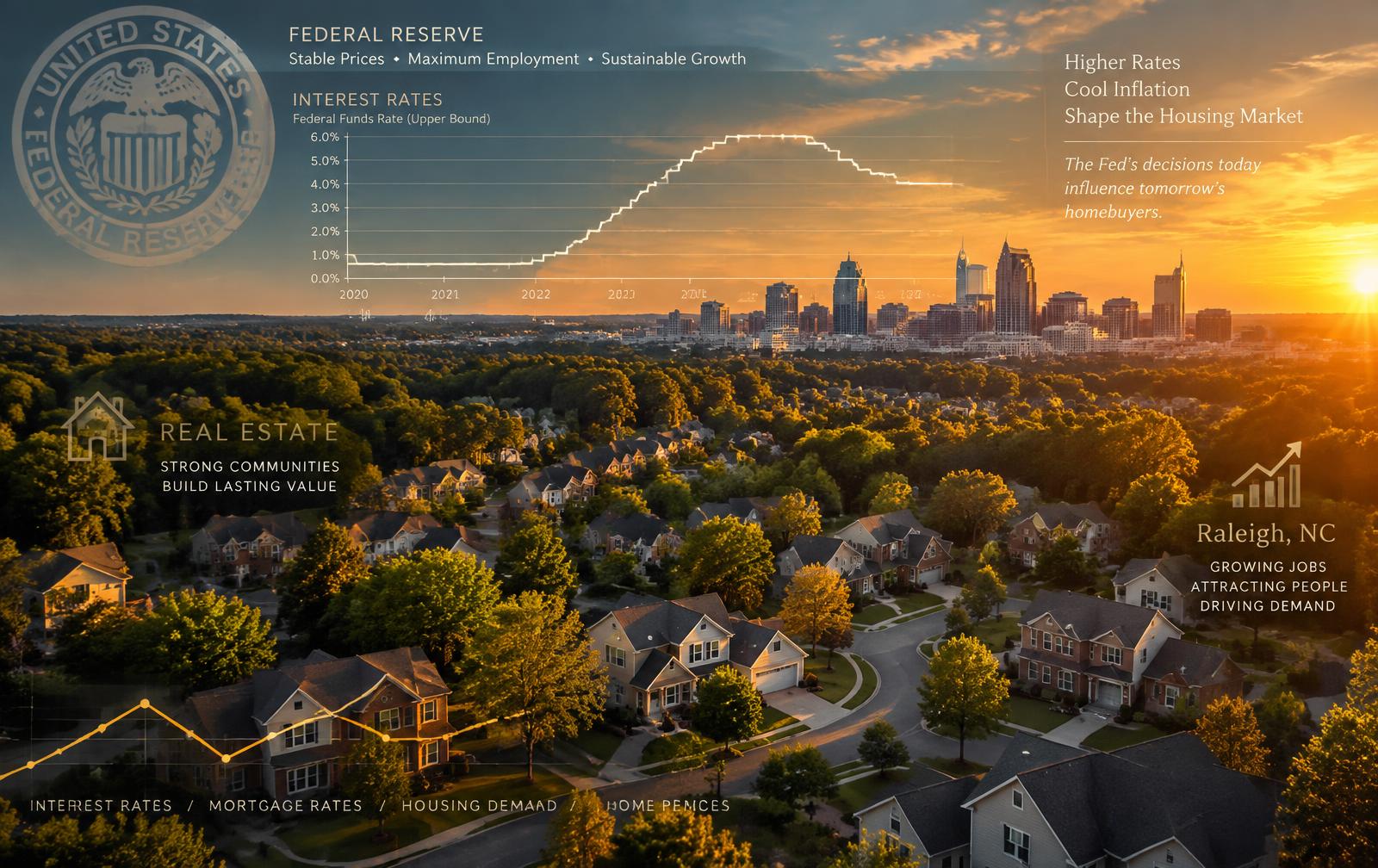
Yes. On September 16, 2026, the Federal Reserve raised its benchmark rate by a quarter point, moving the target range to 3.75 to 4 percent. It's the first rate hike in three years, and the vote was unanimous, 12 to 0. If you've been sitting on the fence about buying or selling a home, this is the headline that's about to blow up your group chat, so let's talk about what it actually means instead of just reacting to it.
I've had three people text me a version of "should I panic" since the announcement dropped. Short answer, no. Longer answer, keep reading, because this decision touches your mortgage payment more than most people realize, and not always in the direction you'd assume.
Wait, Does the Fed Control My Mortgage Rate Directly?
Not exactly, and this is the part almost nobody explains clearly. The Fed sets the federal funds rate, which is what banks charge each other overnight. Your 30-year mortgage rate tracks more closely with the 10-year Treasury yield and overall bond market expectations. That's why mortgage rates don't move dollar for dollar with a Fed decision. Sometimes they barely move at all. Sometimes they move before the Fed even meets, because markets were already pricing in what everyone expected them to do.
This week, the 10-year Treasury actually pulled back slightly right after the announcement, and mortgage rates have been sitting in the mid-to-high 6 percent range, roughly 6.76 to 6.85 percent depending on the day and the lender. So no, we didn't wake up to 8 percent mortgages. The move was already mostly priced in.
So What Does That Actually Mean for You If You're Buying?
It means don't wait around for a magic rate drop that may not be coming anytime soon. Fed Chair Kevin Warsh said plainly that inflation is still sticky and hasn't meaningfully improved, and some analysts, including teams at Goldman Sachs, are already talking about another possible hike before the end of the year. If you've been telling yourself you'll buy once rates come down, it's worth asking yourself honestly how long you're willing to wait, because the data right now doesn't point toward a big drop.
Here's the part that actually works in your favor. Home prices in Raleigh are down around 6 percent from last year, sitting near $422,000, and homes are taking longer to sell, giving you real negotiating room on price and terms. You can buy the house at a fair price today and refinance later if rates do eventually ease. You cannot go back in time and buy today's price once rates drop and buyers flood back into the market.
What Does This Mean If You're Thinking About Selling?
Buyers who are still active in this rate environment are serious. Nobody is casually browsing open houses with a 6.8 percent rate hanging over their head. That's actually good news for you as a seller, because the traffic you do get tends to be qualified and motivated. What it also means is you cannot afford pricing mistakes. In a market where rates are elevated and buyers are doing real math on their monthly payment, an overpriced listing will sit, and sitting is the single biggest thing that hurts your final sale price.
Bottom Line
The Fed raised rates a quarter point on September 16, bringing the range to 3.75 to 4 percent, the first hike in three years. Mortgage rates were already mostly reflecting this move before it happened, so most buyers won't see a dramatic jump in their quote. Rates are not expected to drop significantly anytime soon, and possibly could tick up again before the year is out. If you're buying, that argues for moving on a fairly priced home now rather than waiting on a rate drop that isn't guaranteed. If you're selling, it argues for pricing accurately from day one so you capture the serious buyers who are still out there.
Should You Lock Your Rate Right Now?
If you're closing within the next 30 to 45 days, locking makes sense given where things stand. If your closing is further out, talk to your lender about float-down options so you're not stuck if rates do shift again before you close. This is exactly the kind of decision that benefits from a real conversation instead of a guess, because your specific timeline changes the right answer.
What Happens Next
The next Fed meeting is October 27 and 28. Markets will be watching the incoming inflation and jobs data closely between now and then to guess what happens next. I'll keep you posted here as new numbers come in, but I'd rather you make your decision based on your own life and budget than on trying to perfectly time a Fed announcement. Nobody does that consistently, not even the professionals.
Watch the Full Breakdown
Check out this video for a full breakdown.
Prefer to watch instead of read? I put together a video covering exactly what this rate hike means for buyers and sellers in the Triangle — the numbers, the timing, and what I'd actually do right now.
Watch on YouTubeThinking About Buying or Selling With Rates Where They Are?
Let's run your real numbers.
If today's news has you second-guessing your timeline, let's actually run your numbers instead of guessing. I'll show you what your real payment looks like at today's rates, what your negotiating room is in this market, and whether waiting actually helps you or just costs you the house you wanted. Reach out and let's figure out your next move together.